

How to Select the Best Bakery for Your Special Occasion
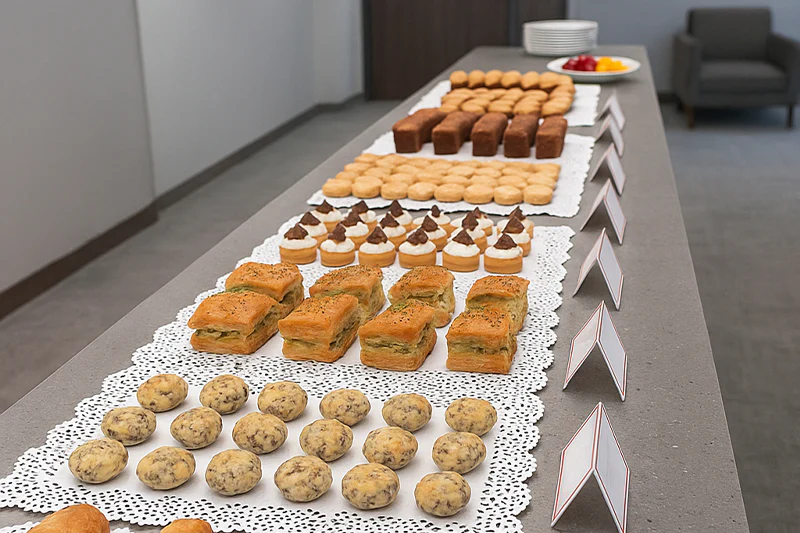
A centerpiece dessert does more than satisfy a sweet tooth. It anchors the theme of your celebration, serves as a backdrop for photographs, and leaves a lasting impression on your guests. Whether you are planning an elegant wedding, a milestone birthday, an anniversary, or a corporate gala, finding the right bakery is one of the most critical steps in the event planning process.
Because custom cakes and high-end pastries require a blend of culinary artistry and structural engineering, you cannot afford to leave your choice to chance. Selecting the ideal bakery involves evaluating their technical skill, flavor profiles, reliability, and business practices. By taking a systematic approach to your search, you can ensure that the final product is as breathtaking as it is delicious.
Define Your Vision and Budget Early
Before you call or visit any local bakeries, you must establish the basic parameters of your event. Walking into a consultation without a clear framework can lead to overwhelming choices or unrealistic expectations.
Establish a Realistic Budget
Custom baking is a labor-intensive craft. The price of a cake or dessert table is driven by the complexity of the design, the number of servings, and the premium nature of the ingredients used. Before researching vendors, determine your maximum spending limit for desserts.
When discussing pricing, ask bakeries about their baseline costs per slice, as well as additional charges for intricate designs, sugar flowers, custom molds, or premium fillings. Knowing your budget allows the baker to suggest realistic design alternatives that achieve your desired aesthetic without draining your finances.
Calculate Your Guest Count and Portion Sizes
The size of your dessert depends entirely on your guest list. However, you also need to consider how the dessert will be served. For instance, wedding cakes can be cut into wedding portions, which are typically one inch by two inches, or party portions, which are larger at one and a half inches by two inches. If your cake is the primary dessert, you will need a piece for every guest. If you are serving a multi-course meal with other sweets, you can often order a cake sized for roughly eighty percent of your total attendance.
Research and Vet Potential Bakeries
With a clear vision and budget in place, you can begin identifying potential vendors. Do not rely solely on the first page of internet search results; instead, dive deeper into their portfolios and past performance.
Examine Portfolios for Style and Consistency
Most professional bakers display their work on their websites and social media channels. As you review these portfolios, look for consistency in their craftsmanship. Pay close attention to the execution of details:
- Are the tiers straight, level, and structurally stable?
- Is the fondant smooth, free of cracks, tears, or bulges?
- Is the piping work sharp, clean, and symmetrical?
- Does the bakery specialize in the specific style you want, such as rustic buttercream, hyper-realistic sculpting, or modern minimalist designs?
Read Reviews and Seek Personal Recommendations
While photos demonstrate artistic capability, customer reviews reveal a bakery’s professionalism and reliability. Look for feedback regarding their communication, punctuality on the day of the event, and how well the final product matched the initial design sketch. Venues and event planners are excellent sources for unvarnished recommendations, as they work closely with these vendors behind the scenes and know who delivers under pressure.
The Tasting and Consultation Process
Once you have narrowed your list to two or three candidates, book an in-person or take-home tasting consultation. This is your opportunity to evaluate the flavor, texture, and overall quality of the baked goods while assessing your compatibility with the baker.
Evaluating Flavor and Texture
A beautiful cake that tastes dry or overly sweet is a disappointment. During your tasting, evaluate both the cake layers and the fillings or frostings. The cake should be moist but structurally sound enough to support its own weight.
Frostings should be smooth and well-balanced rather than tasting strictly of powdered sugar. Ask the bakery if they use real butter, fresh fruit purees, and high-quality extracts, as these ingredients make a noticeable difference in the final flavor profile.
Assessing Professionalism and Communication
Your consultation is also an interview of the baker’s communication style. A great baker will listen to your ideas, ask clarifying questions about your venue and setup, and offer honest feedback if a specific design concept is structurally unsafe or outside your budget. They should be willing to collaborate with you to find a middle ground that preserves your aesthetic while maintaining structural integrity.
Logistics, Delivery, and Contract Details
The most spectacular cake is useless if it damages during transport or arrives late. The logistical capabilities of a bakery are just as important as their baking skills.
Prioritize Professional Delivery Services
Transporting a multi-tiered cake or hundreds of delicate pastries requires specialized vehicles, refrigeration, and experienced handling. Never attempt to save money by having a friend or family member pick up a large custom cake. Professional delivery teams know how to navigate turns, manage temperature controls, and fix minor blemishes that might occur during transit once they arrive at the venue.
Reviewing the Contract Fine Print
Never finalize an order without a comprehensive, written contract. A professional bakery contract should explicitly state the following items:
- The exact date, time, and precise location of delivery.
- A detailed breakdown of flavors, fillings, frostings, and design specifications.
- The total cost, deposit amount, payment schedule, and cancellation policies.
- Rental fees and return policies for cake stands, tiers, or display platters.
- A clear policy on how dietary restrictions or allergen cross-contamination are handled.
Frequently Asked Questions
How far in advance should I reserve a bakery for a major holiday or peak wedding season?
For major events occurring during peak seasons, such as late spring through early autumn, or around major holidays, you should book your bakery six to nine months in advance. Many boutique bakeries limit the number of custom orders they accept per weekend to ensure quality control, meaning popular dates fill up quickly. For smaller, less complex celebrations, three to four weeks is generally sufficient notice.
What is the difference between fondant and buttercream, and how do I choose?
Buttercream is made primarily from butter and sugar, offering a rich, creamy texture and superior flavor. It is ideal for rustic textures or smooth finishes, but it can melt quickly in warm, humid weather. Fondant is a pliable sugar paste rolled out and draped over a buttercream-coated cake, creating a flawless, porcelain-like finish. Fondant is highly stable in warm temperatures and allows for intricate, sculpted designs, but it lacks the rich flavor profile of buttercream.
Can a bakery accommodate severe food allergies like celiac disease or nut allergies?
Many bakeries offer gluten-free, vegan, or nut-free options, but you must ask if they have a dedicated allergen-free kitchen spaces. If a bakery processes wheat flour or nuts in the same room using the same equipment, there is a high risk of airborne cross-contamination. If a guest has a life-threatening allergy, it is often safer to source a small, specialized dessert from a certified allergen-free facility rather than risking cross-contamination on a large custom order.
Why do custom cakes cost significantly more than sheet cakes from a grocery store?
Grocery store sheet cakes are produced in massive quantities using pre-made commercial mixes, frozen layers, and automated machinery, which keeps labor costs low. Custom bakery cakes are made from scratch using premium ingredients, customized recipes, and hours of manual labor. A complex custom design can take anywhere from eight to thirty hours of hands-on sculpting, piping, and assembling by a skilled pastry artist, which is reflected in the premium pricing.
What should I bring with me to a cake design consultation?
To maximize your consultation time, bring your venue details, estimated guest count, and any design inspiration you have gathered. This includes color swatches, fabric samples, floral choices, invitations, and photographs of cakes you like. Sharing these elements helps the baker understand the overall mood and aesthetic of your event, allowing them to design a cohesive dessert that complements the entire setting.
How do bakeries handle outdoor events where heat and wind are factors?
Experienced bakers will advise against using delicate fillings like whipped cream or custard for outdoor events, as well as exterior frostings made with pure butter, which can melt rapidly. Instead, they may recommend using fondant or a more stable meringue-based buttercream. They will also discuss logistics, such as keeping the cake in an air-conditioned vehicle or venue refrigerator until shortly before the event begins, and placing the display table out of direct sunlight and wind.
Is it acceptable to ask a baker to replicate a photo I found online exactly?
While a baker can use an online photo as an excellent reference point for style and color, a true artisan will rarely replicate someone else’s work exactly. Differences in pan sizes, local ingredient brands, and individual artistic styles mean there will always be slight variations. A professional baker will use your reference photo to understand your taste and then suggest unique modifications to give you a personalized centerpiece for your celebration.
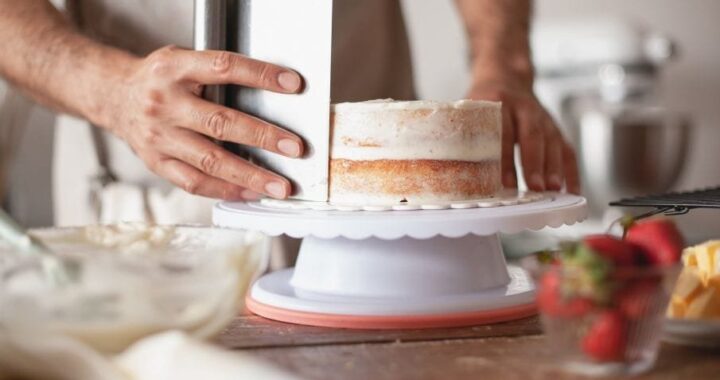 Essential Baking Tips for Creating Bakery-Quality Cakes at Home
 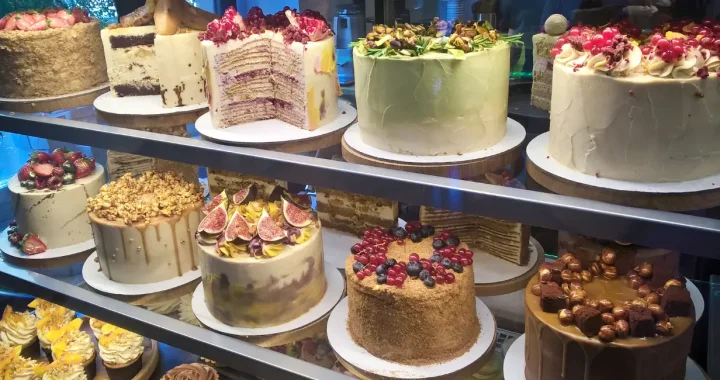 The Art and Craft of Bakeries and Cakes: A Journey of Flavor, Tradition, and Innovation
 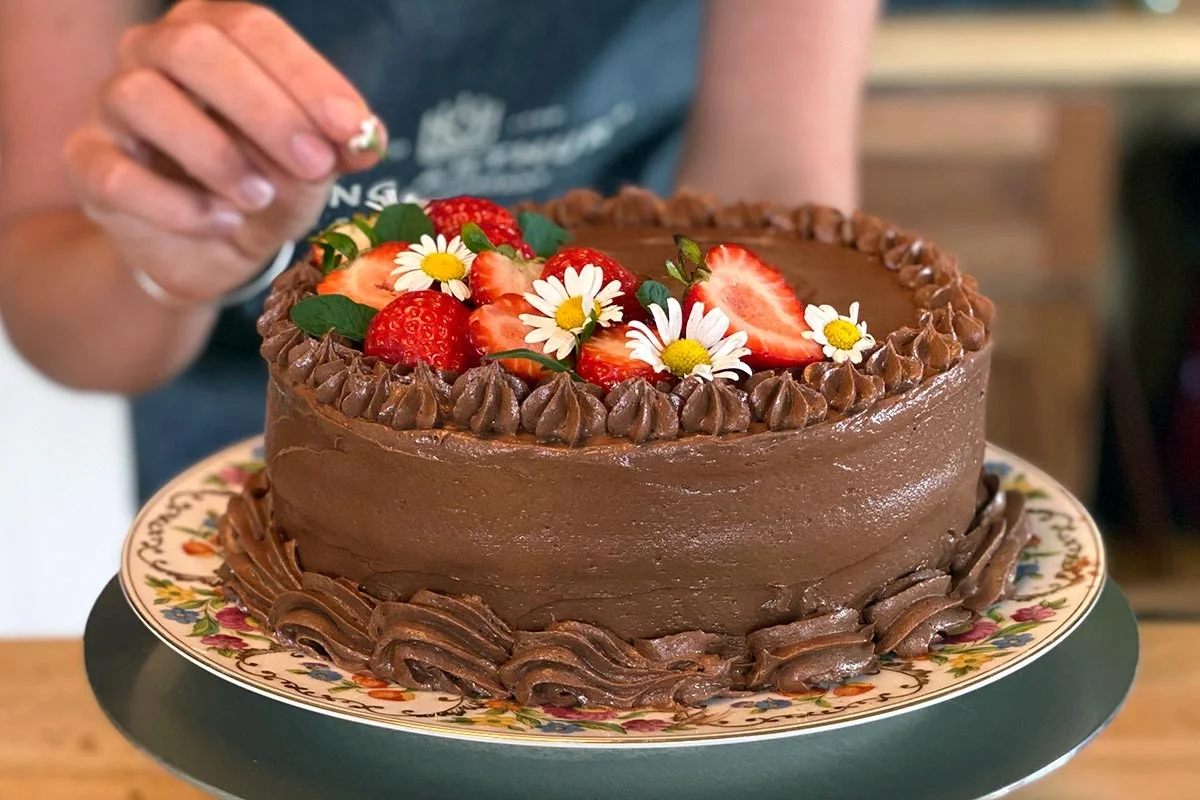 Delightfully Decorate Your Desserts with Edible Flowers for Cake: The Ultimate Guide
 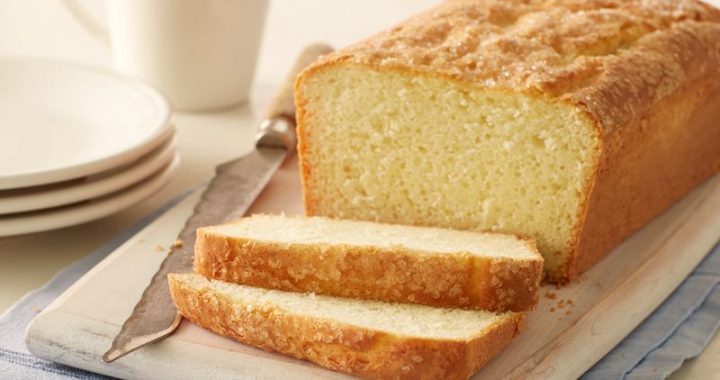 Cake Loaves of bread – Leave Your Dessert Towards The Experts
  Help guide to the right Wedding Cake
  Novelty Loaves of bread for Cakes
 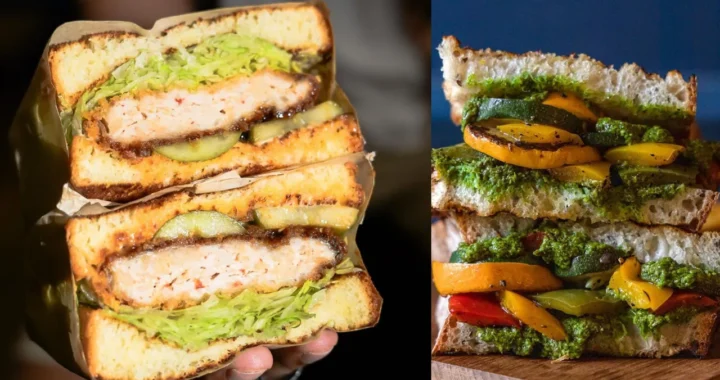 Good sandwiches near me and where to find quality lunch options
  Gym Singapore Nutrition Habits That Support Better Training and Recovery
  How Smart Food Choices Improve Energy Before and After Yoga Practice
 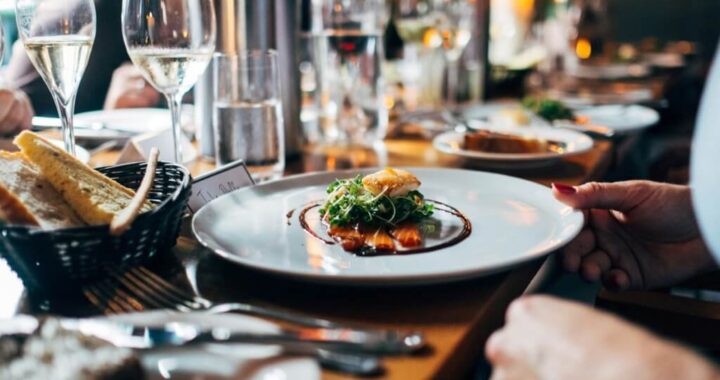 The Role of Innovation in the Modern Restaurant Industry