

Home Party Catering Ideas for Stress Free Hosting
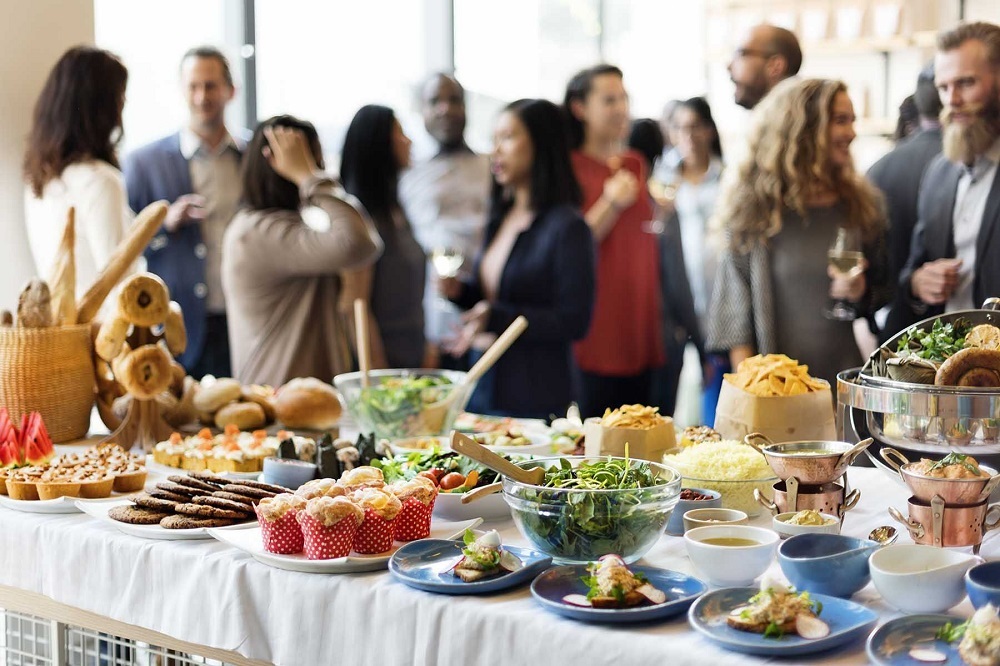
Hosting a gathering at home is a wonderful way to connect with friends, celebrate milestones, or simply enjoy the company of loved ones. However, the logistics of feeding a crowd can quickly transform a joyful occasion into a source of immense stress. The secret to a successful home gathering does not lie in spending hours locked away in the kitchen while your guests mingle in the living room. Instead, it lies in strategic planning, smart menu selection, and efficient service styles.
By shifting your approach from traditional multi-course cooking to modern, low-maintenance catering concepts, you can alleviate the pressure of hosting. Whether you choose to prepare the food yourself or coordinate with outside vendors, the goal is to create a seamless dining experience that allows you to remain present, relaxed, and fully engaged with your guests.
Embracing the Interactive Food Station
One of the most effective ways to reduce hosting anxiety is to pass the assembly duties along to your guests. Interactive food stations turn dining into an activity, giving guests total control over their portions and dietary preferences while minimizing your last-minute kitchen duties.
The Modern Grazing Table
Move past the traditional, uninspiring deli platter and opt for an abundant grazing table. Unlike standard buffets, a grazing table is designed to look like a work of art, featuring a dense arrangement of cured meats, artisanal cheeses, crusty breads, crackers, fresh and dried fruits, nuts, dips, and pickled vegetables.
The beauty of a grazing table is that everything is served at room temperature and prepared entirely in advance. Once the table is styled before your guests arrive, your only job for the rest of the evening is to occasionally replenish high-demand items.
Custom Build Your Own Bars
Food bars are incredibly versatile and can be adapted to fit almost any party theme or budget. By preparing individual ingredients ahead of time and arranging them in attractive serving bowls, you create a low-maintenance feast. Consider these popular, crowd-pleasing options:
- The Gourmet Taco Bar: Offer a choice of flour tortilled or corn tortillas alongside proteins like shredded chicken, seasoned beef, or black beans. Surround them with bowls of diced tomatoes, pickled red onions, cilantro, cotija cheese, guacamoles, and various salsas.
- The Flatbread and Pizza Station: Provide pre-baked flatbread crusts alongside a variety of sauces, cheeses, and toppings like prosciutto, arugula, sliced mushrooms, and infused oils. If you want an interactive element, guests can assemble their pizzas and you can slide them into the oven for a quick bake.
- The Elevated Loaded Baked Potato Bar: Keep baked potatoes warm in a slow cooker and provide a decadent spread of toppings including chives, sour cream, crispy bacon bits, sharp cheddar cheese sauce, chili, and broccoli florets.
Mastering the Art of Make Ahead Menus
If you prefer to serve a more traditional meal rather than a self-assembly station, the key to success is selecting dishes that actually taste better when made a day or two in advance.
Slow Cooked and Braised Masterpieces
Meats that require long, slow cooking times are a host’s best friend. Dishes such as pulled pork, beef bourguignon, braised short ribs, or slow cooker carnitas develop deeper, more complex flavors when left to sit in the refrigerator overnight. On the day of your party, you simply need to reheat the main dish gently on the stove or in a slow cooker, leaving you with zero heavy cooking to manage as guests walk through the front door.
Casseroles and Baked Pastas
Lasagnas, baked ziti, enchiladas, and savory tarts can be fully assembled, covered, and stored in the refrigerator up to twenty-four hours before the event. When your guests arrive, you can pop the dishes directly into the oven. The comforting aroma of baking food will fill your home, and you will only have a few hot baking dishes to manage rather than a stovetop covered in splattering pots and pans.
Smart Drink Stations and Batch Cocktails
A hidden source of stress for many hosts is playing bartender all night. Mixed drinks require constant monitoring, ice refreshing, and glass washing. Streamlining your beverage service is just as critical as organizing your food menu.
Signature Batch Cocktails
Instead of offering a fully stocked bar that requires individual mixing, select one or two signature cocktails that can be mixed in large quantities ahead of time. Pour the drinks into large glass beverage dispensers filled with minimal ice to prevent dilution, and place a bucket of fresh ice next to the dispenser. Drinks like sangria, margaritas, spiked lemonades, or punch lend themselves beautifully to batching and allow guests to serve themselves.
Self Serve Hydration and Mocktails
Do not forget your non-alcoholic options. Set up a dedicated hydration station with a dispenser of water infused with cucumber and mint, or strawberry and basil. Providing an interesting mocktail option ensures that non-drinkers, designated drivers, and children feel included in the festivities without requiring any extra effort from you during the party.
Outsourcing and Hybrid Catering Options
You do not have to do everything yourself to host a memorable home party. Mixing store-bought conveniences with homemade touches, or hiring partial help, can save your sanity.
The Hybrid Catering Strategy
The hybrid approach involves identifying the items that take the most time or skill to make and outsourcing them, while handling the simple items yourself. For example, you might order the main protein, like smoked brisket or roasted chickens, from a local restaurant or catering service, but prepare the simple green salad and roasted vegetables in your own kitchen. This keeps costs manageable while drastically cutting down your preparation timeline.
Professional Drop Off Catering
Many traditional catering companies and local restaurants offer drop-off services. They prepare the food in their commercial kitchens, transport it to your home in disposable aluminum trays, and set it up with wire chafing dishes and Sterno candles to keep everything hot. This option eliminates cooking entirely and drastically reduces post-party cleanup, as you can simply discard or recycle the pans at the end of the evening.
Frequently Asked Questions
How do I accurately estimate the amount of food needed per guest?
As a general rule of thumb for an evening party, plan on serving roughly six to eight ounces of protein per person for the main course. For side dishes, aim for about four to six ounces per guest. If you are serving appetizers instead of a full meal, plan for about eight to ten individual pieces per person for a two-hour party, and add two to three pieces for every additional hour.
What is the safest way to keep food hot during a long home party?
To keep hot foods at a safe temperature above 140 degrees Fahrenheit, utilize slow cookers on the warm setting, warming trays, or countertop chafing dishes with gel fuel cans. If you are using a slow cooker for a buffet, keep the lid on as much as possible to retain heat, and stir the food occasionally to ensure even temperature distribution throughout the vessel.
How should I handle guests who have unexpected dietary restrictions?
When you send out your invitations, explicitly ask your guests to RSVP with any severe food allergies or dietary restrictions. To ensure everyone has a stress-free experience, build your menu with inherently flexible dishes. For example, a Mediterranean bowl station naturally separates proteins, grains, and cheeses, allowing vegan, gluten-free, and dairy-free guests to build a safe, substantial meal without requiring you to cook entirely separate dishes.
What items should I completely avoid serving at a home party?
Avoid items that require immediate, precise serving or collapse quickly, such as souffles, fried foods that go soggy as they cool, or delicate seafood like raw oysters that require constant refrigeration. Additionally, skip dishes that require heavy cutting with a knife if your guests will be standing up or balancing plates on their laps.
How can I minimize the mountain of dishes waiting for me after the party?
To cut down on cleanup, invest in high-quality, eco-friendly compostable plates, napkins, and utensils made from materials like bamboo or palm leaves. They look elegant and rustic while allowing you to clear tables quickly. If you prefer real glassware for drinks, use wine charms or chalkboard markers so guests can identify and reuse their single glass throughout the entire night.
When is the ideal time to set up the party space and food displays?
You should aim to have your tablescapes, serving platters, plates, and utensils completely set up the night before the party. Place sticky notes inside each empty serving dish indicating which food item will go there. This ensures you will not be scrambling to find a matching serving spoon or platter while your guests are walking through the front door.
How do I handle food safety for items left out on a room temperature buffet?
Perishable foods should not sit out at room temperature for more than two hours. If your party is outdoors and the temperature is above 90 degrees Fahrenheit, that window drops to one hour. To extend this timeframe, place smaller serving dishes out on the buffet and keep the backup portions in the refrigerator or oven, replenishing the display as needed rather than putting all the food out at once.
 The Art of Catering: A Fusion of Flavor, Service, and Experience
  Catering Services for the Function
  Catering Strategies for Planning for a Catered Corporate Meeting
  Catering Advice From the Caterer
  How to find a Caterer for the Company’s Holiday Party
  Know The Wedding Caterer
  Good sandwiches near me and where to find quality lunch options
  Gym Singapore Nutrition Habits That Support Better Training and Recovery
  How Smart Food Choices Improve Energy Before and After Yoga Practice
  The Role of Innovation in the Modern Restaurant Industry