

Nutrition Habits That Make Personal Training Results More Sustainable
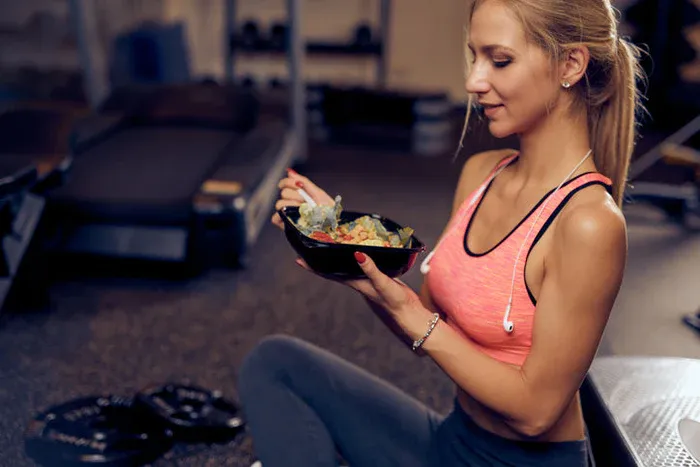
Personal training can improve structure, accountability and exercise quality, but training alone does not determine results. Nutrition plays a major role in energy, recovery, body composition and long term consistency. A strong workout plan can be limited if food habits do not support it.
For people investing in personal training singapore, nutrition should be seen as part of the overall fitness system. This does not mean following extreme diets or avoiding favourite foods. It means building practical eating habits that help the body train, recover and improve over time.
Nutrition supports training energy
Food provides the fuel needed for exercise. When people eat too little, skip meals or rely mostly on low quality snacks, workouts can feel harder. Energy may drop, strength may suffer and motivation can decline.
Carbohydrates are especially useful for training energy, while protein supports muscle repair. Healthy fats support overall function. A balanced approach helps the body perform better during personal training sessions.
For busy adults in Singapore, meal timing can be a challenge. Training after work without eating properly during the day often leads to fatigue. Planning meals and snacks can make sessions more productive.
Protein helps with repair and adaptation
Personal training often includes strength work, conditioning and movement correction. These sessions create physical stress that the body must recover from. Protein helps repair muscle tissue and supports adaptation.
Good protein sources include eggs, fish, chicken, tofu, tempeh, Greek yoghurt, beans and lean meats. Protein should be spread across the day rather than saved for one meal.
Clients who train regularly should pay attention to whether each meal includes a protein source. This simple habit can support recovery and long term results.
Pre workout eating should be practical
A pre workout meal should provide energy without causing discomfort. Eating too much right before training can feel heavy. Eating too little may lead to low energy.
For many people, a balanced meal two to three hours before training works well. If the session is soon after work, a light snack may be better. Options can include fruit, yoghurt, oats, a small sandwich or a simple protein and carbohydrate combination.
The best pre workout choice depends on timing, digestion and workout intensity. Personal training clients should experiment carefully and notice what helps them feel strongest.
Post workout meals support recovery
After training, the body benefits from nutrients that help repair muscles and restore energy. A post workout meal should ideally include protein, carbohydrates and fluids.
For evening sessions, dinner can serve this purpose. A balanced meal after training may include rice, noodles, potatoes or whole grains with a protein source and vegetables. The goal is to nourish the body, not overcomplicate the process.
Recovery nutrition is especially important for clients training multiple times per week. Better recovery helps improve performance in future sessions.
Hydration affects performance and focus
Singapore’s climate makes hydration especially important. Even indoor training can lead to significant sweating. Dehydration can affect energy, focus, strength and endurance.
Clients should drink water throughout the day, not only during workouts. For longer or sweat heavy sessions, electrolyte support may be useful.
Hydration is one of the simplest habits to improve, yet many people overlook it. Better hydration can quickly improve training quality.
Sustainable eating beats strict dieting
Many people begin fitness with strict food rules. They cut out entire food groups, avoid social meals or eat too little. This may work briefly, but it often becomes unsustainable.
Personal training results last longer when nutrition habits fit real life. Clients should learn how to make better choices most of the time while still allowing flexibility.
A supportive fitness environment such as True Fitness Singapore can help clients connect structured training with sustainable lifestyle habits. The goal is not perfection. The goal is consistency.
Singapore food choices can support fitness
Eating well in Singapore does not require avoiding local food. Hawker meals, cafes and home cooked dishes can all fit fitness goals with better choices.
Clients can look for meals with clear protein sources, vegetables and appropriate portions. They can reduce sugary drinks, manage fried foods and avoid overeating late at night. Small improvements repeated often can create meaningful change.
The key is practical awareness. A person does not need to eat like a professional athlete to benefit from personal training.
Nutrition habits should match the goal
Different goals require different nutrition strategies. Fat loss may require portion control and protein consistency. Muscle gain may require enough calories and progressive strength training. Better energy may require regular meals and hydration. Recovery may require better sleep and post workout nutrition.
A personal training plan works best when food habits support the goal. If training and nutrition move in opposite directions, progress becomes harder.
Clients should be honest about their eating patterns so adjustments can be realistic.
FAQ
I train after work and usually have not eaten since lunch. What should I do?
Plan a small snack before training. A banana, yoghurt, oats or a light sandwich can help provide energy. Going into a session under-fuelled can reduce performance.
I eat hawker food daily. Can I still get results from personal training?
Yes. Focus on better choices within your routine. Add protein, choose vegetables, manage portions and reduce sugary drinks. You do not need perfect meals to make progress.
I feel very hungry after personal training and end up overeating. How can I manage this?
Make sure you eat enough earlier in the day and have a balanced post workout meal planned. Overeating often happens when meals are skipped or protein intake is too low.
Should I take protein powder if I am doing personal training?
Protein powder can be convenient, but it is not compulsory. Whole food protein sources are also effective. Use supplements only if they help you meet your needs practically.
Conclusion
Nutrition habits make personal training results more sustainable by supporting energy, recovery and consistency. Extreme dieting is rarely necessary. Practical eating habits are far more effective over time.
For people training in Singapore, the best approach is to combine structured workouts with realistic food choices. When training and nutrition support each other, results become easier to maintain.
 Good sandwiches near me and where to find quality lunch options
  Gym Singapore Nutrition Habits That Support Better Training and Recovery
  How Smart Food Choices Improve Energy Before and After Yoga Practice
  How Festivals and Celebrations Shape Food Traditions
  5 Must-Try Desserts for Every Craving
  Health Benefits of Tulsi (Holy Basil) Tea for Older Adults
  The Role of Innovation in the Modern Restaurant Industry