

How Festivals and Celebrations Shape Food Traditions
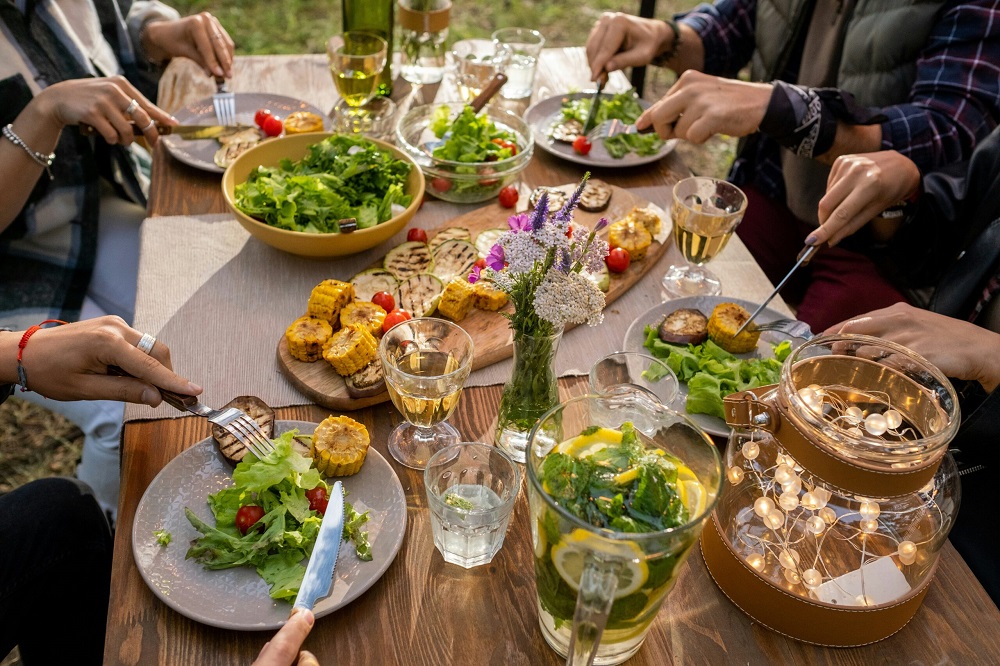
Food is fundamentally tied to survival, but during times of celebration, it transforms into a profound expression of cultural identity, history, and spiritual devotion. Across the globe, festivals serve as the cultural anchors that preserve, evolve, and pass down culinary traditions from one generation to the next. The specific dishes prepared for holidays are rarely arbitrary; they are deeply rooted in agricultural cycles, historical milestones, religious mandates, and symbolic storytelling.
When people gather to celebrate, the kitchen becomes a living museum. By examining the intricate relationship between festivals and food traditions, we reveal how communal celebrations solidify culinary heritage, give symbolic meaning to ordinary ingredients, and dictate the global rhythm of cooking and eating.
The Preservation of Heritage Through Seasonal and Religious Cycles
Before global supply chains made almost any ingredient available year-round, festivals were tightly synchronized with the natural rhythms of the earth. These historical constraints permanently shaped what we now consider traditional holiday fare.
Agricultural Milestones and Harvest Festivals
Harvest celebrations represent some of the oldest food traditions in human history. When a community successfully gathered its primary crops, a feast was held both to give thanks and to consume perishable abundance before winter. In East Asian cultures, the Mid-Autumn Festival celebrates the rice and wheat harvest under a full moon. The definitive food of this celebration is the mooncake, a dense pastry traditionally filled with sweet bean paste or lotus seed paste and a whole salted egg yolk representing the moon.
Similarly, the American Thanksgiving holiday is historically rooted in the successful autumn harvest of New England, making native ingredients like squash, cranberries, corn, and wild turkey the permanent centerpieces of the commemorative table. These festivals ensure that even in a highly urbanized world, people remain connected to the seasonal outputs of agriculture.
Religious Fasting and the Evolution of Feast Days
Religious calendars have an extraordinary influence on food traditions, often utilizing the tension between restriction and indulgence to elevate the status of specific dishes. In the Islamic tradition, the holy month of Ramadan requires daily fasting from dawn until sunset. The breaking of the fast, known as Iftar, routinely begins with dates and water, following the historical precedent set by the Prophet Muhammad. This practice has created a global tradition of complex date-based pastries, rich lentil soups, and slow-cooked meats designed to nourish the body sustainably after a day of abstinence.
In Christian traditions, the period of Lent involves giving up rich foods like meat, dairy, and eggs. The day before Lent begins, known as Mardi Gras or Fat Tuesday, evolved into a massive culinary celebration dedicated to exhausting the household supply of fats and sugar, giving rise to iconic traditions like pancakes, crepes, and deep-fried pastries worldwide.
The Language of Symbolism on the Festive Table
During festivals, ingredients cease to be mere nutrition and instead become visual metaphors for wishes, historical events, or spiritual concepts. This symbolism ensures that the recipes are recreated precisely, preserving the exact format of the dish for centuries.
Lunar New Year and Culinary Homophones
Perhaps no celebration relies more heavily on food symbolism than the Lunar New Year, celebrated extensively across China, Vietnam, and other Asian nations. The dishes selected for this multi-day festival are chosen because their names sound identical to positive words in native languages. For instance, the word for fish sounds identical to the word for surplus. Consequently, a whole fish is systematically served at the New Year dinner, with the head and tail left intact to symbolize a good beginning and end to the coming year.
Similarly, long, uncut longevity noodles are prepared to represent a long life, while dumplings are shaped to resemble ancient gold ingots, symbolizing financial prosperity. The act of eating these foods is a deliberate performance of inviting good fortune into the household.
Historical Commemoration and Ritual Foods
Festivals also use food to anchor the historical memory of a community. During the Jewish holiday of Passover, the Seder meal is an intensely structured ritual where every edible item on the plate tells a story of liberation from slavery.
The matzo, an unleavened flatbread, represents the haste with which the Israelites fled Egypt, leaving no time for their bread to rise. The maror, or bitter herbs, symbolizes the bitterness of slavery, while a mixture of chopped nuts, apples, and wine called charoset represents the mortar used to build Egyptian monuments. By consuming these specific textures and flavors year after year, the community physically experiences and remembers its ancestral history.
Communal Labor and the Strengthening of Social Bonds
The preparation of festive food is often so complex and labor-intensive that it requires the collective effort of an entire family or neighborhood, turning the kitchen into a venue for community bonding.
The Tradition of the Tamalada
In Mexico and throughout Central America, the Christmas season is defined by the tamalada, a dedicated gathering for making tamales. Tamales consist of a seasoned corn masa dough filled with meats, cheeses, or vegetables, wrapped in a corn husk or banana leaf, and steamed.
Because assembling hundreds of tamales is incredibly time-consuming, family members of all generations gather to form an assembly line. While spreading masa and folding leaves, elders pass down oral histories, share gossip, and teach younger generations the precise tactile feel of a perfect tamal. The festival provides the excuse for the gathering, but the communal labor preserves the culinary technique and strengthens family structures.
The Collaborative Baking of Holiday Breads
Across Eastern Europe and the Mediterranean, major religious festivals like Easter and Christmas are marked by the production of highly decorative, enriched breads. Whether making Greek Tsoureki, Ukrainian Paska, or Italian Panettone, these breads require hours of kneading, proofing, and delicate braiding.
Historically, community members would bring their prepared dough to a central village oven to bake. This collaborative environment turned bread baking into a shared sensory experience that united a town, making the resulting loaves a true product of communal effort.
Frequently Asked Questions
Why do so many winter festivals across Northern Europe feature heavy spices like cinnamon, nutmeg, and cloves?
During the medieval period, the arrival of exotic spices from Asia via trade routes coincided with late-autumn harvest cycles and early winter religious holidays like Christmas. Because these spices were highly expensive, they were strictly reserved for the most important celebrations of the year. Furthermore, these spices possessed natural antimicrobial properties that helped preserve baked goods, and their warming chemical compounds provided comfort during the coldest months of the year, cementing them as permanent symbols of winter hospitality.
How does the concept of a food taboo change during a festival?
Food taboos and dietary restrictions can be completely inverted or strictly reinforced depending on the festival. For instance, during ordinary periods, specific rich or indulgent foods might be discouraged due to cost or health guidelines. However, during a major celebration like Carnival, societal rules relax, and overindulgence in forbidden or luxury foods becomes culturally encouraged. Conversely, during periods of mourning or specific religious observances, dietary restrictions tighten significantly to foster spiritual focus.
What is the origin of serving gingerbread houses and cookies during the winter holidays?
The tradition of gingerbread dates back to ancient Mediterranean civilizations, but it was popularized as a festive art form in Germany during the sixteenth century. When the Brothers Grimm published the story of Hansel and Gretel, featuring a house made of gingerbread and sugar, German bakers began creating intricate, sculpted gingerbread houses during the Christmas season. This creative baking practice quickly spread across Europe and North America, transforming a simple spiced bread into a highly collaborative holiday craft.
How do modern food allergies affect ancient festive food traditions?
Modern dietary awareness has forced many traditional festive recipes to adapt without losing their cultural significance. Culinary historians and home bakers frequently substitute traditional ingredients to accommodate gluten-free, dairy-free, or vegan needs. For example, using alternative flours in Passover baking or plant-based fats in holiday pastries allows family members with restrictions to fully participate in the ritual meal, proving that the communal act of eating together is more critical than the rigid chemical composition of the dish.
Why is alcohol often central to celebratory toasts across different cultures?
Historically, fermented beverages like wine, beer, and mead were safer to consume than raw water sources, making them associated with health, vitality, and safety. Because fermentation was viewed as a mystical process, alcohol was frequently integrated into religious rituals and sacrificial offerings. Over time, raising a glass filled with a premium, fermented beverage evolved into a universal gesture of transparency, trust, and shared wishing for health and longevity during milestones.
How do diaspora communities maintain festival food traditions when native ingredients are unavailable?
When communities migrate, maintaining festival food traditions becomes a vital way to preserve cultural identity in a new land. If native ingredients are inaccessible, diaspora cooks display immense resourcefulness by substituting local items that mimic the texture or flavor of the original ingredient. Over time, these adaptations create entirely new, hybrid festival traditions that reflect both the ancestral homeland and the new geographic environment.
What role do children play in preserving festival food traditions?
Children are the vital link that guarantees the survival of a food tradition. Festivals routinely engage children through sensory-heavy rituals, such as hunting for hidden Easter eggs, decorating holiday cookies, or receiving sweet treats during Diwali. By associating these culturally specific flavors and aromas with joy, family warmth, and play early in life, children develop a deep emotional imprint that motivates them to recreate those identical culinary traditions for their own households decades later.
 Good sandwiches near me and where to find quality lunch options
  Gym Singapore Nutrition Habits That Support Better Training and Recovery
  How Smart Food Choices Improve Energy Before and After Yoga Practice
  Nutrition Habits That Make Personal Training Results More Sustainable
  5 Must-Try Desserts for Every Craving
  Health Benefits of Tulsi (Holy Basil) Tea for Older Adults
  The Role of Innovation in the Modern Restaurant Industry