

Time Saving Cooking Tips for Busy Households
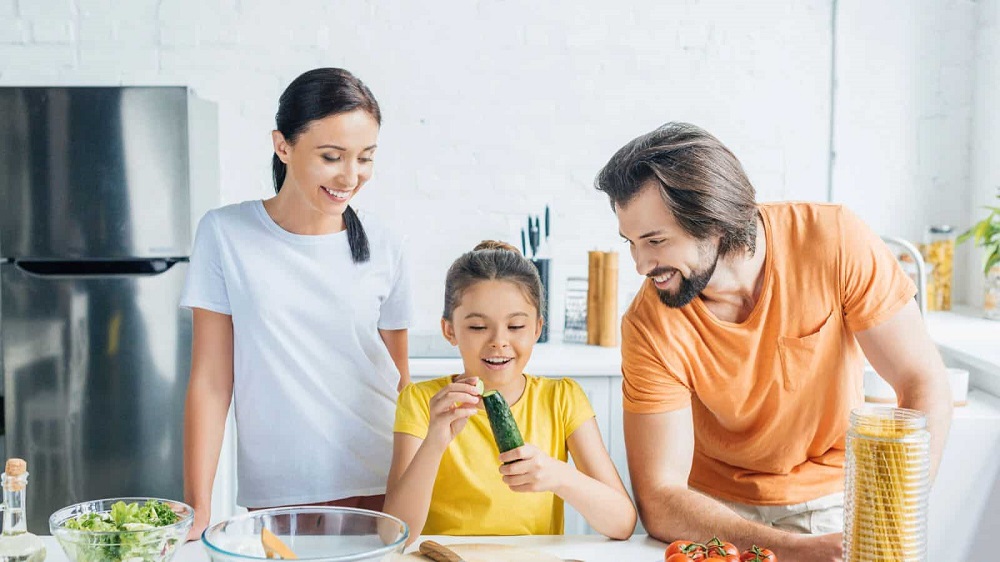
In modern, fast-paced environments, balancing professional commitments, family responsibilities, and household maintenance often leaves very little time for meal preparation. Consequently, many households resort to expensive takeout options or highly processed convenience foods that compromise both nutritional health and financial budgets. However, maintaining a consistent routine of wholesome, home-cooked meals does not require spending hours in the kitchen every evening.
The secret to efficient home cooking lies in strategic organization, optimization of kitchen workflows, and leveraging modern culinary techniques. By shifting your approach from reactive, daily cooking to a proactive, systematic meal management strategy, you can drastically reduce the time spent cooking and cleaning. Implementing these time-saving strategies allows busy households to enjoy fresh, delicious meals with minimal effort and maximum efficiency.
Streamlining Kitchen Workflows and Organization
Before a single ingredient is chopped or cooked, the physical environment and organization of your kitchen dictate the speed of your meal preparation. A disorganized kitchen introduces micro-delays that accumulate, turning a simple twenty-minute recipe into a stressful hour-long ordeal.
The Power of Mise en Place
The French culinary phrase mise en place translates to everything in its place. In professional kitchens, chefs never begin cooking until every ingredient is washed, peeled, chopped, measured, and placed into individual bowls within arm’s reach of the stove.
Adopting this discipline at home prevents cooking emergencies, such as garlic burning on the stove while you frantically search for a can opener. By completing all prep work upfront, you ensure that the actual cooking process flows continuously, predictably, and quickly.
Strategic Pantries and Accessible Tooling
Arrange your pantry and refrigerator based on frequency of use. Keep staple aromatics like onions, garlic, olive oil, salt, and black pepper within immediate reach of your main cooking zone.
Similarly, store your most versatile kitchen tools, such as your heaviest skillet, a sharp chef knife, and a durable cutting board, in easily accessible locations rather than buried deep within lower cabinets. Minimizing the physical steps and time required to retrieve your gear instantly accelerates your cooking routine.
Clean as You Go Habits
Waiting until the end of a meal to tackle a mountain of dirty dishes is discouraging and inefficient. Instead, utilize the built-in downtime during cooking, such as waiting for water to boil, meat to sear, or a dish to bake, to wash prep bowls, wipe down countertops, and load the dishwasher. By maintaining a clean workspace throughout the process, you eliminate a massive post-dinner cleanup chore, saving valuable evening relaxation time.
Batch Cooking and Component Meal Prep
Traditional meal prepping often involves cooking identical meals in plastic containers for the entire week, which can quickly lead to menu fatigue. A more dynamic and time-efficient alternative is component-based batch prepping.
Preparing Versatile Foundation Proteins
Instead of cooking a single meal, cook a large quantity of a versatile protein that can be transformed into completely different dishes throughout the week. For example, roasting a large batch of shredded chicken seasoned with simple salt and pepper allows you to create three distinct quick-fix dinners:
- Night One: Toss the chicken into a quick stir-fry with frozen vegetables and teriyaki sauce.
- Night Two: Mix the chicken with salsa and cheese for rapid weeknight enchiladas or tacos.
- Night Three: Combine the chicken with dynamic greens, nuts, and a quick vinaigrette for a refreshing, assembly-only salad.
Large Scale Grain and Legume Cooking
Grains like brown rice, quinoa, and farro, as well as legumes like lentils and chickpeas, take considerable time to cook from scratch on a weeknight. Dedicate an hour on the weekend to cooking massive batches of these base carbohydrates.
Once cooled, portion them into airtight containers and store them in the refrigerator or freezer. Having pre-cooked grains on hand reduces the preparation time of grain bowls, hearty soups, and quick side dishes down to mere minutes.
Chopping Aromatics in Bulk
The most tedious part of weeknight cooking is often peeling and dicing onions, carrots, celery, and garlic. Speed up your weeknight routine by preparing a large quantity of these foundational aromatics during the weekend.
A minced mixture of onions, carrots, and celery, known as a mirepoix, can be stored in a glass container for up to five days. When you are ready to cook, simply scoop out the required amount to start your soup, sauce, or sauté instantly.
Leveraging High Efficiency Appliances and Shortcuts
Modern kitchen technology and high-quality shortcut ingredients are essential assets for minimizing hands-on cooking time without sacrificing flavor or nutrition.
Embracing Sheet Pan and One Pot Meals
Minimize both cooking monitoring and dishwashing by designing meals that utilize only a single cooking vessel. Sheet pan dinners involve tossing proteins, such as salmon fillets or chicken thighs, with hardy chopped vegetables in olive oil and spices, then roasting everything together at a high temperature.
Similarly, one-pot pasta dishes utilize the starchy pasta water to create a rich sauce directly in the pot as the noodles cook alongside vegetables and proteins, eliminating the need for separate boiling and straining steps.
Utilizing Pressure Cookers and Slow Cookers
Programmable multi-cookers are invaluable for busy households. A digital pressure cooker can break down tough cuts of meat, cook dry beans, or simmer complex stews in less than a third of the traditional stovetop time.
Conversely, slow cookers allow you to assemble raw ingredients in the morning, program a low heat cycle, and return home after a long workday to a fully cooked, hot family dinner requiring zero immediate preparation.
Strategic Use of High Quality Shortcuts
Do not hesitate to purchase pre-processed ingredients when time is short. Grocery store shortcuts can save precious minutes of active labor without compromising the integrity of your meal. Consider incorporating these highly efficient items:
- Frozen Vegetables: Frozen at the peak of freshness, flash-frozen broccoli florets, peas, corn, and spinach require zero washing, peeling, or chopping, and cook significantly faster than raw varieties.
- Canned Beans and Tomatoes: Utilizing high-quality canned cannellini beans, black beans, or crushed San Marzano tomatoes provides an instant, nutritious base for quick chilis, pasta sauces, and stews.
- Pre-washed Salad Greens: Tubs of pre-washed arugula, baby spinach, or kale eliminate the time-consuming process of washing and spin-drying greens before assembly.
Frequently Asked Questions
What is the safest and fastest way to thaw frozen meats for last minute weeknight cooking?
The absolute safest, lightning-fast method for thawing meat is the cold-water submersion technique. Place the frozen meat inside a completely leak-proof plastic bag and submerge it entirely in a bowl of cold tap water. Change the water every fifteen to twenty minutes to ensure it remains cold. Small portions of poultry, fish, or ground meat can thaw completely within thirty to forty-five minutes using this approach. Never use hot water, as this raises the outer temperature of the meat into the danger zone where bacteria rapidly multiply.
How do I prevent pre-chopped vegetables from going soggy or spoiling in the refrigerator?
To preserve the crisp texture of pre-chopped vegetables, control their exposure to excess moisture. After chopping vegetables like bell peppers, cucumbers, or celery, pat them thoroughly dry with a paper towel. Line the bottom of your glass storage containers with a clean, dry paper towel to absorb any residual condensation that releases during refrigeration. Keep the containers tightly sealed to prevent the circulating dry air of the refrigerator from dehydrating them.
Can I freeze cooked pasta and grains without them becoming mushy upon reheating?
Yes, you can freeze grains and pasta successfully by undercooking them very slightly before freezing. Cook your pasta or rice until it is just al dente, meaning it still retains a firm bite in the center. Shock the cooked items in ice water to stop the cooking process immediately, drain completely, and toss with a tiny amount of olive oil to prevent sticking. Freeze the portions flat in freezer bags. When reheating, the steam will finish cooking the item perfectly without breaking down the structure into mush.
What are the best pantry staples to always keep in stock for emergency fifteen minute meals?
A highly efficient pantry should always contain high-quality dried pasta, canned tuna or salmon, jarred marinara sauce, canned chickpeas, coconut milk, and curry paste. Eggs, long-lasting cheeses like parmesan, and high-quality corn tortillas are excellent refrigerator backups. With these items on hand, you can instantly assemble a nutritious tuna puttanesca, a flavorful chickpea coconut curry, or quick breakfast tacos in less time than it takes for a delivery driver to arrive.
How do I efficiently reheat batch cooked meals so they do not taste dry or rubbery?
The key to maintaining moisture during reheating is replacing lost liquid and controlling heat. When using a microwave, cover the dish with a damp paper towel or a microwave-safe lid and add a teaspoon of water or broth to create a steaming effect. For stovetop reheating, add a small splash of liquid to the pan, cover it with a tight-fitting lid, and reheat over low to medium heat, stirring occasionally to distribute the heat evenly without scorching the food.
Is it necessary to wash meat before cooking, and does it save time?
You should never wash raw poultry, beef, pork, or lamb before cooking. From a food safety perspective, washing meat under a running faucet does not remove bacteria; instead, it splashes contaminated water droplets across your sink, countertops, utensils, and nearby prep zones, creating a severe risk of cross-contamination. Skipping this unnecessary and hazardous step saves both cooking time and intensive sanitizing time later.
How can I quickly add deep, slow cooked flavor to dishes that only simmer for twenty minutes?
When you do not have hours to simmer a sauce or soup, rely on concentrated umami bombs to instantly add depth of flavor. Incorporate a spoonful of tomato paste, a splash of soy sauce or Worcestershire sauce, miso paste, anchovy paste, or grated parmesan rind into your cooking base. Sautéing your spices and tomato paste directly in hot oil for sixty seconds before adding liquids caramelizes the sugars and unlocks complex aromas rapidly.
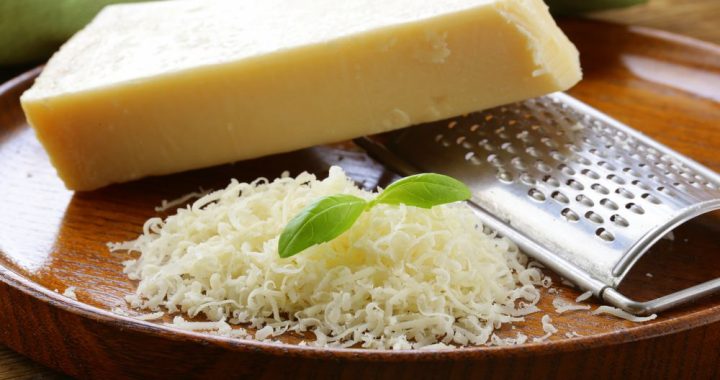 Why Parmigiano Cheese is the King of Italian Cheeses
  4 Cooking Tips for Busy Seniors
  Pregnancy as well as your Diet – Five Easy Cooking Tips
  Cooking Tips – Containers & Pans for that Kitchen
  Cooking Tips – How Lengthy To Defrost Different Frozen Meats
  Best Cooking Strategies for Vegetables
  Good sandwiches near me and where to find quality lunch options
  Gym Singapore Nutrition Habits That Support Better Training and Recovery
  How Smart Food Choices Improve Energy Before and After Yoga Practice
  The Role of Innovation in the Modern Restaurant Industry