

How Coffee and Drinks Bring People Together Across Cultures

Throughout human history, shared beverages have served as the ultimate catalyst for social connection. Whether it is a dark espresso served in a bustling Italian piazza, a frothy bowl of matcha whisked with precision in Japan, or spiced chai poured from great heights into small glasses on the streets of India, drinks are far more than a source of hydration or a caffeine boost. They are a universal language of hospitality, ritual, and community.
Across every continent, the simple act of preparing, serving, and consuming a beverage together breaks down social barriers, fosters deep conversations, and creates lasting bonds. By exploring how different cultures utilize coffee, tea, and other traditional drinks, we gain a profound understanding of our shared humanity and the timeless rituals that connect us.
The Ritual of Coffee as a Social Anchor
Coffee has a unique ability to slow down the pace of daily life, transforming a solitary moment into a collective experience. In many parts of the world, coffee culture is deeply intertwined with the concepts of community and hospitality.
The Ethiopian Coffee Ceremony
In Ethiopia, the historical birthplace of Arabica coffee, the coffee ceremony is a core element of social and cultural life. This ritual is an invitation to friendship and respect, often lasting for several hours. The process begins with the raw, green coffee beans being washed, roasted over open flames, and ground by hand using a mortar and pestle.
The grounds are then brewed in a traditional clay pot known as a jebena. Serving the coffee is a multi-generational affair, accompanied by the burning of frankincense and the offering of traditional snacks like popcorn or roasted barley. To be invited to an Ethiopian coffee ceremony is a sign of high honor, providing an essential space for neighbors to discuss community matters, resolve disputes, and share news.
The Italian Bar Culture and the Espresso Revolution
In stark contrast to the lengthy Ethiopian ceremony, Italian coffee culture is built on speed, precision, and daily repetition. Yet, it remains profoundly social. In Italy, a cafe is referred to as a bar, and patrons typically drink their espresso while standing at the counter.
This daily habit creates a unique micro-community. The local barista often knows each customer by name and preference, and the brief interaction at the counter provides a moments of connection before the workday begins. It is a shared democratic space where individuals from all walks of life stand side by side, united by a common appreciation for a perfectly pulled shot of espresso.
Northern Europe and the Concept of Fika
In Sweden, the practice of fika is a mandatory cultural institution. Often translated simply as a coffee break, fika is more accurately described as a state of mind. It involves pausing your day to enjoy coffee and a baked good, traditionally a cinnamon bun, with colleagues, friends, or family.
Crucially, fika is not something you do on the run or while looking at your phone. It is a deliberate pause designed to combat isolation, encourage workplace bonding, and prioritize well-being. Swedish companies often have designated fika times built into the workday, recognizing that informal social connection enhances creativity and community cohesion.
Tea Culture and the Language of Hospitality
While coffee provides an energetic social anchor, tea often carries a contemplative, highly respectful energy that dictates how relationships are nurtured across Asian, Middle Eastern, and North African societies.
East Asian Tea Ceremonies
In Japan, China, and Korea, tea preparation is elevated to a spiritual and artistic discipline. The Japanese tea ceremony, or Chado, is rooted in Zen Buddhism and centers on four primary principles: harmony, respect, purity, and tranquility.
Every movement of the host, from wiping the tea utensils to whisking the powdered green matcha, is choreographed to honor the guest. The physical space of the tea room is designed to strip away worldly status, requiring guests to enter mindfully and engage in quiet, meaningful dialogue. It is a powerful exercise in mutual respect and presence.
Middle Eastern and North African Tea Traditions
In countries across Morocco, Turkey, and Egypt, offering tea is the ultimate expression of hospitality. In Morocco, mint tea, often called Berber whiskey, is prepared by the male head of the household and poured from high above into small, patterned glasses to create a layer of foam.
Turning down a cup of tea in these cultures is considered highly offensive, as the gesture signifies an extension of safety, friendship, and welcome. Whether you are entering a private home, a corporate office, or a carpet shop in a bustling bazaar, a glass of hot, sweet tea is immediately offered to establish a harmonious connection before any business or deep conversation takes place.
Traditional Beverages and Communal Identity
Beyond coffee and tea, specific regional drinks play a vital role in defining communal identity and maintaining cultural heritage across generations.
South American Yerba Mate
In Argentina, Uruguay, Paraguay, and southern Brazil, yerba mate is the definitive beverage of companionship. Mate is unique because it is consumed using a shared hollow gourd and a metallic straw called a bombilla. A designated brewer, known as the cebador, prepares the drink with hot water and passes the gourd to the first person in the circle.
That individual drinks the entire infusion, returns the gourd to the cebador, who refills it and passes it to the next person. Sharing the same straw and vessel is an intimate act of trust and equality. It is a common sight to see groups of friends sitting in public parks, passing a single mate gourd around for hours, reinforcing their social bonds.
The Indian Chaiwala Culture
On virtually every street corner in India, you will find a chaiwala cooking a pot of strong black tea with milk, sugar, ginger, and green cardamom. The chai stall serves as a vital neighborhood hub. It is a place where people from different socio-economic backgrounds, religions, and occupations gather to drink affordable chai, read the newspaper, and engage in political debates. The chai stalls democratize public spaces, acting as a social equalizer in a highly complex society.
Frequently Asked Questions
What role did early coffee houses play in historical political and social movements?
During the seventeenth and eighteenth centuries in Europe, coffee houses became known as penny universities because, for the price of a cup of coffee, anyone could enter and engage in intellectual debate. These establishments became hubs for political discussion, scientific sharing, and literary criticism, directly fueling the Age of Enlightenment and paving the way for major political revolutions by challenging traditional class hierarchies.
How does the concept of paying it forward manifest in coffee culture?
The concept is beautifully illustrated by the historic Italian tradition of caffe sospeso, or suspended coffee, which originated in Naples. A customer who has experienced good fortune pays for two coffees: one for themselves and an extra one for a person in need. A less fortunate individual can later walk into the cafe and ask if there are any suspended coffees available, receiving a warm drink and a moment of dignity funded by an anonymous neighbor.
Why is tea poured from a high distance in Moroccan and North African cultures?
Pouring tea from a high distance serves both practical and cultural purposes. Practically, the long drop aerates the liquid, cooling the tea to an ideal drinking temperature and creating a delicate layer of froth at the top of the glass, which traps the aroma of fresh mint. Culturally, the height of the pour is a dramatic display of the host’s skill and a visual sign of generosity toward the guest.
How do contemporary cafes blend different global beverage traditions?
Modern specialty coffee shops frequently create fusion menus that celebrate diverse cultural practices. It is common to find menus featuring Japanese matcha lattes, Indian spiced chai, Australian flat whites, and Mexican spiced mochas side by side. This culinary cross-pollination introduces consumers to global flavors, sparking curiosity about the origins and cultural histories behind these unique drinks.
Why is it considered rude to say thank you too early when drinking yerba mate?
In South American mate circles, saying thank you or gracias implies that you are completely finished drinking and do not want the gourd passed to you again during the current session. If you want to continue participating in the social ritual, you should receive and return the gourd in silence, saving your expressions of gratitude for the very end of the gathering.
What is the social significance of the Turkish coffee fortune telling tradition?
Turkish coffee is unique because the fine grounds remain in the cup after drinking. Once the coffee is consumed, the cup is often overturned onto the saucer to let the grounds slide down the sides, leaving intricate patterns behind. Friends or family members then read these shapes to tell fortunes. This practice serves as a brilliant social tool, prolonging the gathering and creating a playful, engaging conversation starter that deepens the interpersonal connection.
 The Future of Coffee & Drinks: Sustainability, Innovation, and Personalization
  Try Reducing Your Coffee Drinking to Quit Smoking Easier
  Practicing Responsible Coffee Consuming
  Amaretto Number of Coffee Consuming Recipes
  Flavored Coffee Drinks Beat the Summer time Heat
  Coffee Consuming Proven to Naturally Prevent Diabetes
 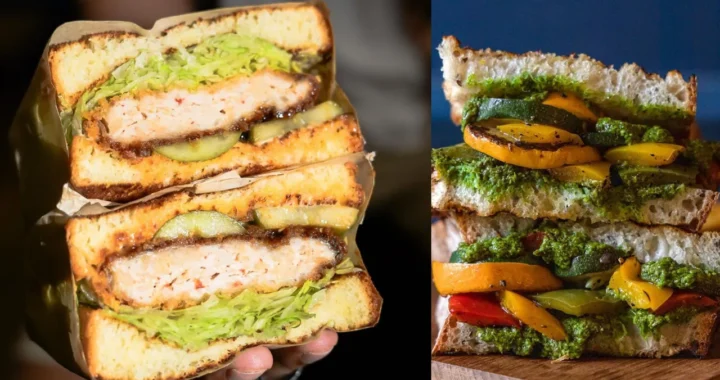 Good sandwiches near me and where to find quality lunch options
  Gym Singapore Nutrition Habits That Support Better Training and Recovery
  How Smart Food Choices Improve Energy Before and After Yoga Practice
  The Role of Innovation in the Modern Restaurant Industry