

Essential Kitchen Tools Every Chef Must Master
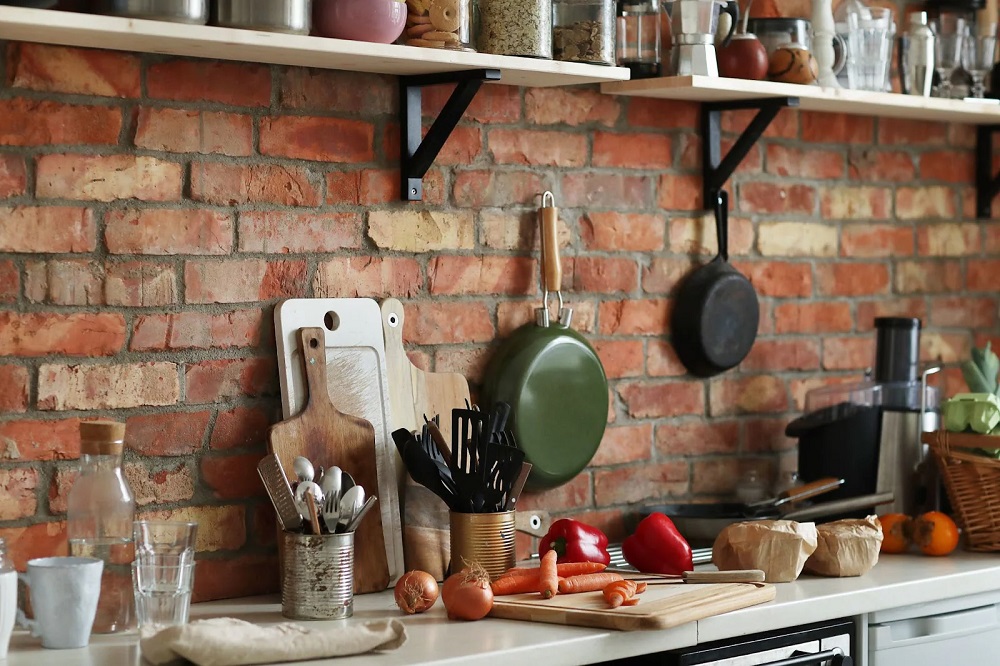
The distinction between a frustrating cooking experience and culinary excellence often comes down to the tools at a chef’s disposal. In professional kitchens, efficiency, precision, and consistency are the cornerstones of success. While the culinary world is flooded with trendy gadgets and single-use appliances, true mastery lies in understanding and commanding a core set of fundamental tools.
These essential instruments form the backbone of everyday food preparation, allowing a chef to execute complex techniques with fluidity and confidence. By mastering the selection, maintenance, and handling of these primary tools, any cook can transform their kitchen into a space of professional efficiency and elevate the quality of every dish they produce.
The Foundation of Precision: Cutting and Prep Tools
No tool in the kitchen is more personal or critical than the knives and cutting surfaces a chef uses daily. These instruments require fine-tuned physical technique and a deep understanding of material composition.
The Chef Knife
The ultimate extension of a cook’s hand is the western chef knife, typically featuring an eight- to ten-inch blade. This multi-purpose tool handles everything from mincing delicate herbs to breaking down large cuts of meat. Mastery of the chef knife involves learning the correct grip. Rather than holding the handle like a hammer, a chef uses the pinch grip, placing the thumb and the side of the index finger directly onto the blade just ahead of the handle. This provides maximum control, balance, and lateral stability.
Understanding blade material is equally essential. High-carbon stainless steel is preferred because it retains a sharp edge longer than standard stainless steel while resisting rust and discoloration. Regular maintenance using a honing steel aligns the microscopic teeth of the blade, ensuring clean cuts that preserve the cellular integrity of ingredients.
The Paring Knife and Bread Knife
While the chef knife handles the heavy lifting, two specialized blades are necessary for specific tasks. A three- to four-inch paring knife provides the agility needed for intricate work, such as peeling fruits, coring vegetables, and removing blemishes.
Conversely, a long serrated bread knife is indispensable for slicing through items with tough exteriors and soft interiors, such as crusty sourdough loaves or delicate tomatoes, without crushing the internal structure.
High Quality Cutting Boards
A premium knife is useless without a proper cutting surface. Chefs avoid glass, marble, or hard plastic boards because they dull and chip finely honed blades instantly. Instead, master cooks rely on heavy wood or high-density plastic composite boards. Wood boards made from maple, walnut, or cherry offer a natural yield that protects the knife edge.
Furthermore, maintaining a large work surface, at least eighteen by twenty-four inches, provides ample room to organize chopped ingredients and prevents dangerous overcrowding.
The Elements of Heat Control: Cookware Fundamentals
Controlling heat transmission is the core mechanism of cooking. The vessel chosen to conduct heat from the stove to the food dictates the texture, color, and flavor development of the final dish.
The Heavy Stainless Steel Sauté Pan
A twelve-inch stainless steel sauté pan with a thick, aluminum-clad or copper-clad core is an absolute workhorse. Stainless steel is non-reactive, meaning it will not alter the flavor of acidic ingredients like tomatoes or wine.
The heavy core distributes heat evenly across the surface, preventing hot spots that cause burning. Mastering this pan means learning how to properly preheat it before adding oil, a technique that creates a naturally non-stick surface by expanding the metal pores to trap the fat.
The Cast Iron Skillet
For high-heat searing, frying, and roasting, the cast iron skillet is unmatched. Cast iron has exceptional heat retention, meaning it does not drop in temperature when a cold piece of meat is placed inside it. This steady, intense heat is vital for developing a deep, caramelized crust via the Maillard reaction.
Mastery of cast iron requires specialized care, including seasoning the pan with a thin layer of polymerized oil and avoiding prolonged exposure to moisture to prevent rust.
The Enameled Cast Iron Dutch Oven
For slow braising, stewing, and baking, a heavy-bottomed Dutch oven is irreplaceable. The tight-fitting lid retains moisture, creating a self-basting environment that breaks down tough connective tissues in meats over several hours. The enamel coating provides the heat retention of cast iron without requiring specialized seasoning, while allowing for the safe preparation of acidic braising liquids.
Utility and Manipulation: The Extensions of the Hand
Beyond knives and pans, a chef relies on a select group of handheld utility tools to manipulate ingredients safely, quickly, and precisely.
Stainless Steel Tongs
Often referred to as a chef’s second set of fingers, nine- to twelve-inch spring-loaded stainless steel tongs are used constantly throughout the cooking process. They provide the reach and grip needed to flip heavy steaks, adjust delicate vegetables in a hot pan, submerge items in frying oil, and plate finished dishes.
Mastering tongs means selecting a pair without locking mechanisms or rubber tips, which can fail under professional high-heat conditions.
The Fish Spatula
Despite its name, a slotted offset fish spatula is useful for far more than fish. The thin, flexible stainless steel blade can slide under delicate eggs, tender pastries, and fragile fillets without tearing them.
The wide slots allow excess oil or liquids to drain away immediately, and the angled edge offers superior leverage in crowded pans.
The Microplane Zester
A rasp-style grater or microplane transforms how chefs finish dishes. Its razor-sharp, photo-etched teeth cut through hard cheeses, citrus rinds, garlic, and ginger effortlessly, creating fine shavings rather than tearing the food. This tool allows for the instant integration of aromatic elements without adding unwanted texture.
Frequently Asked Questions
What is the precise difference between honing a knife and sharpening a knife?
Honing and sharpening are completely different maintenance processes. Honing is done frequently, often before every use, using a steel rod to realign the microscopic bent teeth of an already sharp blade without removing any metal. Sharpening is done less frequently, typically once or twice a year, using a whetstone to physically grind away old metal to create a brand-new, razor-sharp edge on a dull blade.
Why do professional chefs prefer digital kitchen scales over measuring cups?
Digital kitchen scales provide absolute accuracy and consistency, whereas volume measurements are highly variable. Factors such as humidity, how an ingredient is scooped, and settling can cause a cup of flour or sugar to vary in weight by up to thirty percent. Weighing ingredients in grams ensures that chemical ratios remain identical every time you execute a recipe.
How can I tell if my stainless steel pan is preheated to the correct temperature?
You can use the Leidenfrost effect to check your pan’s temperature. Flick a few drops of water onto the dry, preheated pan. If the water sizzles and evaporates instantly, the pan is too cold. If the water beads up into distinct balls that roll around the surface like marbles without evaporating, the pan is perfectly preheated and ready for your oil and ingredients.
What does it mean to season a pan and which materials require it?
Seasoning is the process of baking multiple thin layers of fat onto raw metal. At high heat, the fat undergoes polymerization, transforming from a liquid oil into a hard, plastic-like protective coating that prevents rust and provides non-stick properties. Carbon steel and raw cast iron pans require regular seasoning, whereas stainless steel, ceramic, and enameled cookware do not.
Why should I avoid buying a pre-packaged block of kitchen knives?
Pre-packaged knife blocks are generally poor investments because they contain filler knives that home cooks rarely use, such as utility knives or multiple sizes of slicing blades. Instead of paying for volume, it is far better to invest that same budget into purchasing three high-quality, standalone essential knives: a premium chef knife, a flexible serrated knife, and a durable paring knife.
What makes an offset spatula different from a standard flat spatula?
An offset spatula features a distinct bend in the metal neck just above the handle, dropping the blade lower than the grip. This unique design allows your hand to remain elevated and level, well away from hot pan surfaces or delicate frosting layers. This orientation provides better visibility, a clearer angle of approach, and improved leverage when flipping or smoothing ingredients.
How do I clean and maintain a wooden cutting board to keep it from warping?
Never submerge a wooden cutting board in water or wash it in a dishwasher, as the intense moisture and heat will cause the wood to warp and split. Instead, scrub the board with warm water, mild dish soap, and a sponge, then dry it immediately with a towel and let it stand upright to air dry completely. Once a month, rub the wood with food-grade mineral oil to maintain its water resistance.
 4 Advantages of Hiring a Personal Chef for Senior Citizens
  Prepare Just like a Master Chef and become the actual Chef of your house Kitchen
  Highlighting Top Rated Chefs and Dining in Atlanta
  5 Sound Advice For Ambitious Chefs
  The Unrivaled Excellence Of The Pampered Chef Pizza Stone
  Pastry Chef Schools Offer Tasty Career Options
 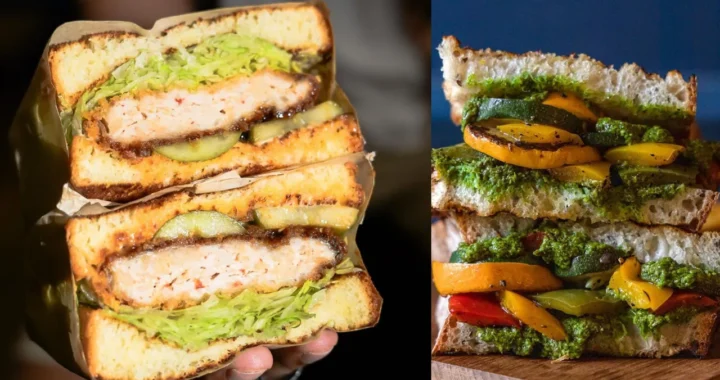 Good sandwiches near me and where to find quality lunch options
  Gym Singapore Nutrition Habits That Support Better Training and Recovery
  How Smart Food Choices Improve Energy Before and After Yoga Practice
  The Role of Innovation in the Modern Restaurant Industry