

The Role of Innovation in the Modern Restaurant Industry

The hospitality sector has historically relied on the timeless principles of good food, warm service, and an inviting atmosphere. However, the contemporary landscape has transformed this traditional framework into a highly dynamic environment driven by rapid technological advancement, shifting consumer behavior, and macroeconomic pressures. Innovation is no longer an optional luxury reserved for high-end experimental establishments or tech-focused fast-food giants. Instead, it has become a fundamental necessity for survival and growth across all tiers of the modern restaurant industry.
From front-of-house customer interactions to back-of-house kitchen operations and inventory supply chains, innovative methodologies are reshaping how restaurants operate. By embracing artificial intelligence, automation, alternative culinary techniques, and data-centric management practices, forward-thinking restaurateurs are significantly improving operational efficiency, reducing environmental waste, and personalizing the dining experience to meet the elevated expectations of today’s tech-savvy consumers.
Digital Integration and the Front of House Experience
The most visible manifestations of restaurant innovation occur right where the guest interacts with the brand. Digital ecosystems have evolved from basic online menus into fully integrated platforms that streamline ordering, payment, and customer loyalty.
Contactless Ordering and Self Service Ecosystems
Self-service kiosks, table-side tablets, and quick response code ordering systems have transitioned from pandemic-era safety temporary fixes to permanent pillars of modern dining hospitality. These digital interfaces empower guests to browse menus, customize dishes with precise ingredient modifications, and settle bills at their own pace.
For the operator, these technologies directly address persistent labor shortages by reducing the administrative burden on front-of-house staff, allowing servers to focus on hospitality rather than order entry. Furthermore, digital ordering interfaces leverage predictive algorithms to suggest complementary sides, premium upgrades, or beverage pairings, systematically increasing average ticket sizes compared to traditional verbal ordering.
AI Driven Personalization and Loyalty Frameworks
Modern customer relationship management systems utilize machine learning to analyze historical purchasing patterns, dietary preferences, and visit frequencies. Instead of sending generic promotional emails, restaurants can now deploy hyper-customized offers.
For example, a guest who routinely orders vegetarian options on Tuesday evenings will receive targeted incentives tailored specifically to those preferences. This level of digital personalization builds deeper brand affinity, increases customer lifetime value, and transforms occasional visitors into highly loyal advocates.
Operational Excellence and Back of House Automation
While digital tools enhance the customer interface, some of the most critical innovations are quietly revolutionizing kitchen workflows, inventory control, and kitchen resource allocation.
Automated Kitchen Display Systems and Robotics
The traditional paper ticket system, prone to getting lost or stained in a chaotic kitchen environment, has been completely replaced by intelligent kitchen display systems. These monitors do more than display orders; they communicate with different kitchen stations to synchronize cooking times. If a well-done steak requires twelve minutes to cook and a side of fries takes three minutes, the system staggers the line cook alerts so both items finish simultaneously, ensuring optimal temperature and freshness upon plating.
Additionally, robotic automation is making significant inroads in high-volume, repetitive tasks. Automated fry stations, precision automated beverage dispensers, and robotic salad assembly units are being deployed to guarantee portion accuracy, accelerate throughput speeds, and minimize human error in quick-service environments.
Predictive Inventory Management and Waste Reduction
Food waste represents an immense financial drain and a significant environmental issue for the restaurant industry. Modern back-of-house software leverages predictive analytics, integrating historical sales data, local weather forecasts, and neighborhood event calendars to project precise ingredient requirements for the upcoming week.
By accurately predicting consumer demand, these systems generate automated purchasing orders that prevent over-buying perishable goods. Advanced inventory tools also feature smart sensors in walk-in refrigerators that monitor temperature fluctuations and shelf-life metrics, alerting management before expensive proteins or fresh produce spoil.
Culinary Innovation and Alternative Service Models
Innovation is also redefining the physical boundaries of the restaurant and the very composition of the food served on the plate.
The Rise of Ghost Kitchens and Virtual Brands
The exponential growth of third-party delivery applications has decoupled the culinary creation process from the traditional brick-and-mortar dining room. Ghost kitchens, also known as dark kitchens or cloud kitchens, are commercial cooking facilities designed exclusively for delivery orders, completely devoid of customer seating, storefronts, or waitstaff.
This model allows operators to launch multiple virtual brands out of a single kitchen footprint. For instance, a single kitchen infrastructure can simultaneously prepare gourmet burgers, artisan pizzas, and vegan bowls under distinct digital names, maximizing cooking equipment utilization and drastically reducing real estate overhead costs.
Sustainable and Scientific Gastronomy
Culinary artists and food scientists are collaborating to drive innovation directly within the menu design. The rapid development of high-quality, plant-based meat and dairy alternatives allows kitchens to cater to eco-conscious and health-focused demographics without sacrificing flavor or texture profiles.
Simultaneously, techniques rooted in molecular gastronomy, such as precision temperature sous-vide cooking, rapid nitrogen freezing, and ultrasonic emulsification, are becoming mainstream. These scientific methods allow chefs to achieve absolute textural consistency, lock in essential nutrients, and create unique sensory presentations that turn dining into an experiential event.
Frequently Asked Questions
How does modern restaurant technology impact the employment landscape for hospitality workers?
Rather than completely replacing human labor, innovation in the restaurant industry primarily shifts the nature of hospitality jobs. Automation handles highly repetitive, dangerous, or tedious tasks, such as operating deep fryers or inputting basic data codes. This shift allows human employees to reallocate their time toward higher-value activities, such as tableside engagement, complex culinary execution, and personalized customer care, ultimately creating a safer and more emotionally rewarding work environment.
What are virtual brands, and how do they benefit traditional restaurant operators?
Virtual brands are digital-only restaurant concepts that exist exclusively on delivery applications like UberEats or DoorDash. Traditional brick-and-mortar operators use virtual brands to maximize their existing kitchen capacity and ingredients without increasing their rent. For example, an Italian restaurant with underutilized kitchen capacity during lunch hours can launch a separate virtual sandwich brand using their existing bread, meats, and kitchen staff, creating an entirely new revenue stream with minimal capital risk.
In what ways does artificial intelligence assist in reducing restaurant menu pricing?
Artificial intelligence lowers menu pricing indirectly by driving massive operational efficiencies and cutting systemic waste. By using predictive analytics to optimize ingredient purchasing, restaurants avoid the financial losses associated with food spoilage. AI scheduling software also optimizes labor hours based on real-time foot-traffic forecasts, preventing overstaffing during slow shifts. These combined savings lower the restaurant’s overall prime cost, allowing operators to maintain competitive menu pricing despite inflation.
How do modern point of sale systems handle complex dynamic pricing model changes?
Advanced cloud-based point of sale systems can integrate dynamic pricing algorithms similar to those used by airlines and ride-sharing applications. These systems can automatically adjust menu prices across digital menus, kiosks, and delivery apps based on real-time supply and demand metrics, time of day, or specific high-traffic events. For example, a restaurant might offer lower prices during afternoon slow periods to incentivize traffic, while applying a premium margin during peak weekend rushes.
What is the significance of blockchain technology within the modern culinary supply chain?
Blockchain technology provides unprecedented transparency and traceability from farm to table. By recording every transaction along the supply chain on an immutable ledger, restaurants can instantly verify the exact origin, organic certifications, and transport temperatures of their ingredients. In the event of a foodborne illness outbreak, blockchain allows operators to trace contaminated produce back to the specific farm plot within seconds, minimizing public health risks and preventing unnecessary food destruction.
How do smart kitchens contribute to a restaurant’s corporate sustainability goals?
Smart kitchens utilize interconnected appliances that monitor and optimize energy and water consumption. For instance, smart ventilation hoods use optical sensors to detect smoke or steam, adjusting fan speeds dynamically rather than running at maximum capacity all day. Energy-efficient induction cooktops transfer heat directly to the cookware, reducing ambient kitchen temperatures and lowering cooling costs. These innovations reduce the overall carbon footprint of the facility while slashing monthly utility bills.
Can independent, single unit restaurants afford to implement these modern innovations?
Yes, independent restaurants can successfully adopt modern innovations due to the rise of scalable, subscription-based software services. Unlike the past, when advanced technology required massive capital investment in proprietary hardware, current solutions operate on cloud networks compatible with standard tablets and smartphones. Small operators can selectively integrate modular software tools for online ordering, inventory management, or customer loyalty, allowing them to compete effectively with major corporate chains.
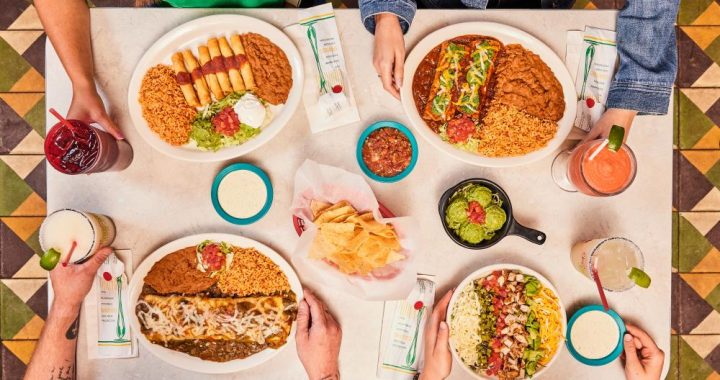 The Art of Margaritas at Tex-Mex Restaurants: From Classic to Inventive Flavors
  How Restaurants Can Reduce Food Spoilage
 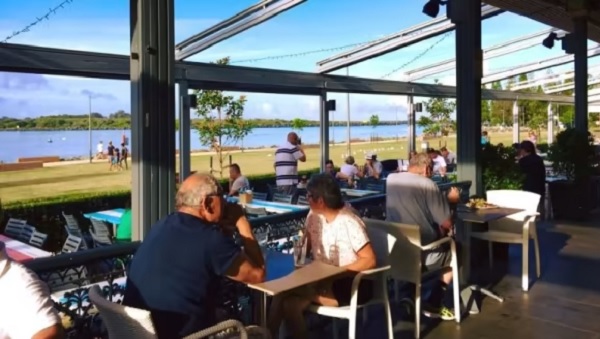 5 Cool Things to Do in New South Wales
  Top Reasons to Start Brewing Your Own Beer
  How to find restaurant locations online?
  Five Important Factors to Consider when Choosing the Best Restaurant in Springfield
 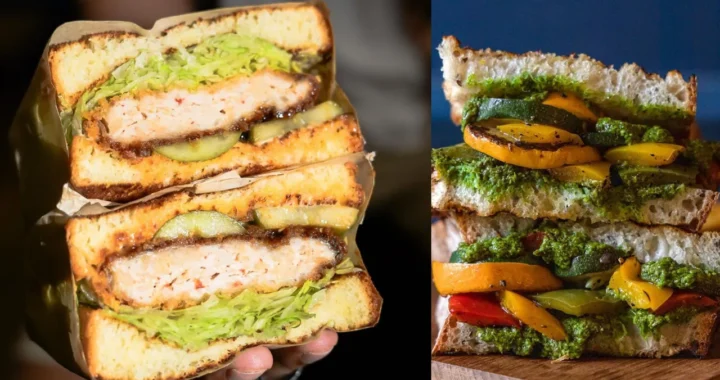 Good sandwiches near me and where to find quality lunch options
  Gym Singapore Nutrition Habits That Support Better Training and Recovery
  How Smart Food Choices Improve Energy Before and After Yoga Practice
 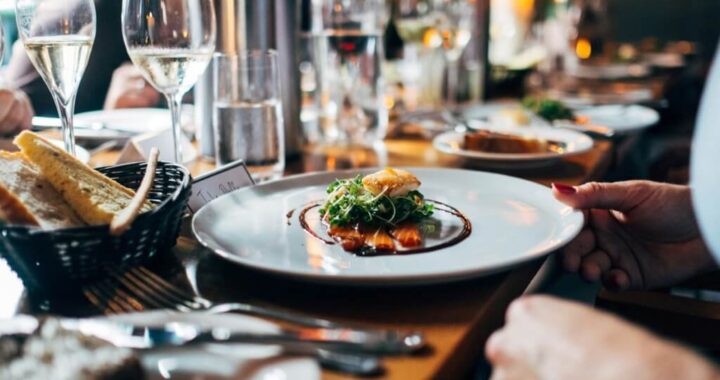 The Role of Innovation in the Modern Restaurant Industry